
 EN
EN  FR
FR 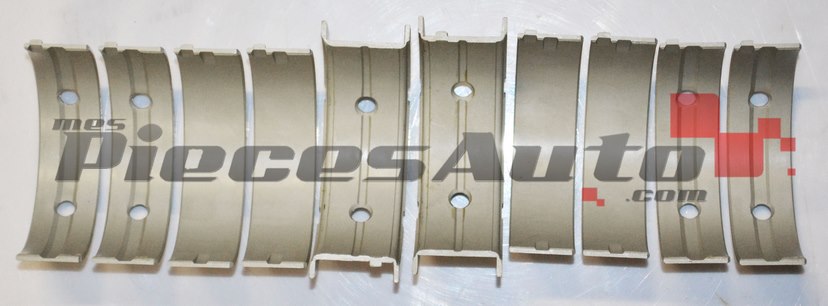

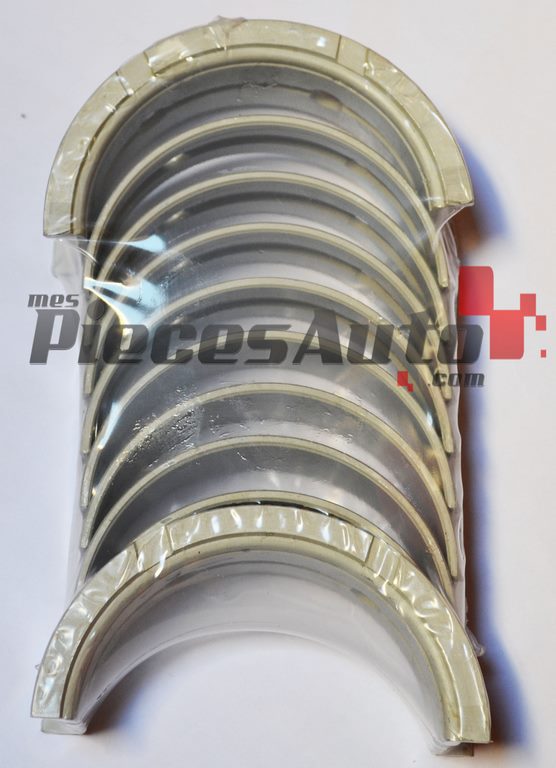
Porsche 924 2.0 cranshaft bearing
145.00 €
Coussinet vilebrequin Porsche 924 2.0
Mespiecesauto a relancé la fabrication des coussinets de vilebrequin pour Porsche 924 2.0.
Ces coussinets sont refabriqués conformément aux standards d’origine, en respectant la norme SAE 794 (trimétal).
Compatibles avec tous les moteurs 2.0 L de Porsche 924 (atmosphériques, Turbo et Carrera GT) à partir de l’année modèle 1977.
- Référence du jeu complet : 046105701
- Références au détail : 046105501, 046105561, 046105591 (3 types de coussinets composent un jeu complet)
Attention : lors de vos achats de pièces pour Porsche 924, certaines références disponibles sur le marché peuvent présenter des défauts de conception et de fabrication.
Pour en savoir plus sur les matériaux et procédés de fabrication, consultez notre article dédié.
Le prix indiqué correspond au jeu moteur complet, livré.
Technical specifications
Attention lors du choix de vos pièces pour Porsche 924 : nous avons constaté que certaines références de coussinets présentent d’importants défauts de conception et de fabrication. Voici les points principaux.
1) Bimétallique Alu vs trimétallique Cu-Pb
De nature bimétallique à base d’aluminium, ces coussinets offrent une capacité de charge initiale inférieure à celle des alliages cuivre-plomb trimétalliques. Cela se traduit par une marge mécanique réduite en usage sévère.
2) Porosités majeures & microdureté anormale
La présence de porosités majeures (voir ci-dessous), confirmée par un essai de microdureté dans la couche de glissement, révèle un défaut de coulée de l’alliage d’aluminium. Ces défauts diminuent la tenue du substrat aux chargements et accroissent le risque de fluage du coussinet.

3) Composition & liaison défaillantes
L’absence d’élément cuivre dans la couche de glissement (voir ci-dessous) pointe une non-conformité de composition au regard des standards bimétalliques. Par ailleurs, des défauts révélés par ressuage au dos de la couche de liaison (photo A) évoquent un problème lors du co-laminage, générant une soudure à froid entre couche de liaison et dos du coussinet. Ces observations impliquent une baisse marquée de la tenue en fatigue et un risque aggravé de décollement de l’alliage.

4) Dos en fer pur au lieu d’acier SAE 1010
L’utilisation mise en évidence de fer pur (ci-dessous) à la place d’aciers de laminage type SAE 1010 entraîne une baisse de résistance aux efforts statiques et cycliques. Au serrage, une plastification des paliers peut survenir, réduisant le maintien du coussinet dans son logement. S’ensuivent un risque accru de rotation du coussinet autour de l’arbre, des échauffements (dissipation thermique dégradée) et la possibilité de fissuration du dos sous fatigue, notamment au droit des discontinuités de support (gorges de lubrification).


